How Proper HVAC Maintenance Prevents Mold Growth in Clermont Homes
Mold thrives where moisture and poor airflow meet—and in Central Florida’s humid climate, your HVAC system is either your first line of defense or an unseen culprit. We’ve seen firsthand how neglected systems fuel mold growth in homes across Clermont, Minneola, and Groveland. Proper HVAC maintenance isn’t just about comfort; it’s a critical mold prevention strategy.
Why HVAC Systems Are a Mold Magnet in Humid Climates
Florida’s high humidity means your HVAC works overtime to remove moisture from the air. If the system can’t keep up, excess humidity settles on surfaces, feeding mold spores that are always present indoors.
Condensate drain lines, evaporator coils, and ductwork are prime spots for mold when moisture lingers. In older Clermont homes or those with poor insulation, the risk spikes even higher.
The Hidden Link Between Poor Airflow and Mold Growth
Stagnant air traps moisture against walls, ceilings, and inside ductwork. Clogged filters, blocked vents, or undersized returns restrict airflow, creating pockets where humidity and dust accumulate—ideal for mold colonies.
We often find mold in attics or crawl spaces in Winter Garden and Groveland homes where HVAC systems weren’t sized correctly for the space, leading to poor circulation.
A stale or earthy smell from your vents often signals mold in the ductwork. This requires professional inspection and remediation, not just a filter change.
HVAC Maintenance Checklist to Stop Mold Before It Starts
Regular upkeep targets the root causes of mold: moisture, dust, and poor airflow. Even small oversights, like a dirty coil, can escalate into a full-blown infestation requiring mold removal and remediation.
Essential HVAC Mold Prevention Tasks
- Replace HVAC filters every 1-3 months (use MERV 8-13 for mold spore capture)
- Inspect and clean condensate drain lines monthly to prevent clogs and standing water
- Schedule annual professional duct cleaning, especially after water damage or renovations
- Check evaporator coils and drip pans for moisture buildup and clean as needed
- Install a whole-house dehumidifier if indoor humidity exceeds 50% consistently
- Seal ductwork to prevent moisture intrusion from crawl spaces or attics
Duct Cleaning vs. Mold Remediation: What’s the Difference?
Many homeowners assume duct cleaning alone solves mold issues. But if mold has spread beyond the ducts into drywall, insulation, or framing, full mold remediation is necessary to contain and remove the growth safely.
Duct cleaning removes dust and superficial mold spores, while remediation addresses the source of moisture and repairs affected materials. In severe cases, we’ve performed both for homes in Mascotte and Clermont after hurricane season flooding.
| Service | Purpose | When It’s Needed | Scope |
|---|---|---|---|
| Duct Cleaning | Remove dust, debris, and surface mold spores | Every 3-5 years or after renovations | Limited to HVAC ductwork |
| Mold Remediation | Contain, remove, and prevent regrowth of mold | Visible mold growth, musty odors, or after water damage | Affects walls, insulation, crawl spaces, attics, and ducts |
| Air Quality Testing | Identify mold spore types and concentrations | Before/after remediation or if health symptoms persist | Indoor air and surface samples |
Humidity Control: The Unsung Hero of Mold Prevention
In Clermont, outdoor humidity often exceeds 70%, and indoor levels should stay below 50% to deter mold. Your HVAC’s dehumidification capability is critical, but it’s not always enough in older systems or poorly insulated homes.
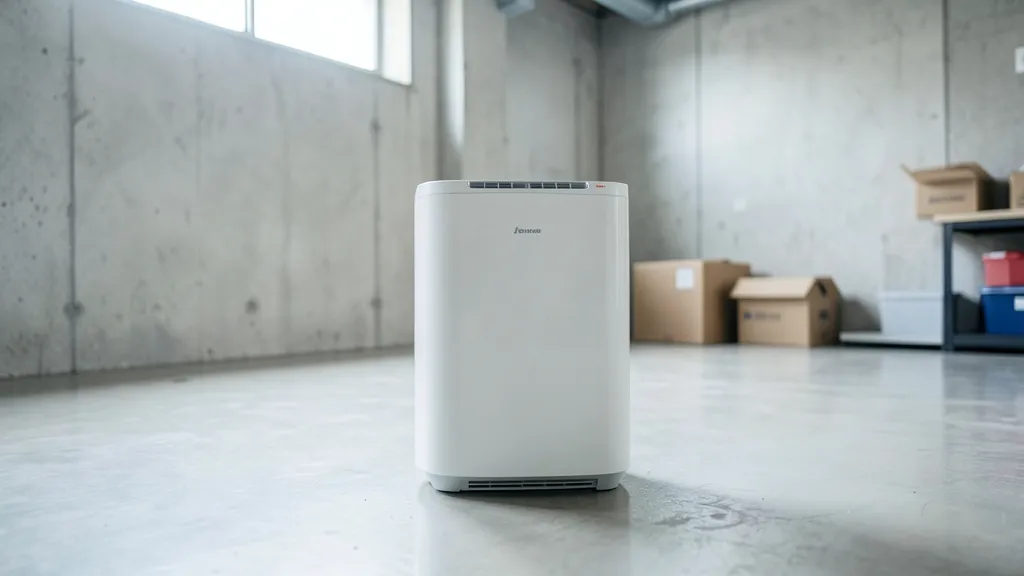
We recommend standalone dehumidifiers for basements, crawl spaces, and attics—areas prone to moisture buildup. In Groveland and Minneola, we’ve seen mold thrive in attics where roof leaks or poor ventilation compounded high humidity.
Use a hygrometer to track indoor humidity. If levels consistently exceed 55%, it’s time to upgrade your HVAC’s dehumidification or add supplemental units.
Signs Your HVAC System Is Contributing to Mold Growth
Visible mold around vents, musty odors when the system runs, or unexplained allergies are red flags. Another telltale sign: water pooling near the indoor unit or stains on walls/ceilings near ductwork.
In Winter Garden and Clermont, we often trace mold outbreaks to clogged condensate lines or leaky ductwork in attics, which go unnoticed until the problem spreads.
When to Call a Professional for Mold Inspection and Testing
If you suspect mold but can’t locate the source, or if you’ve had water damage (from storms, leaks, or flooding), professional mold testing is the next step. Air quality testing identifies spore types and concentrations, guiding targeted remediation.
We’ve helped homeowners in Mascotte and Groveland avoid costly repairs by catching mold early through inspection and testing, especially after HVAC failures or hidden leaks.
How to Inspect Your HVAC System for Mold Risks
A quick DIY inspection can reveal potential mold hotspots before they become major problems.
- 1Check the Air Filter
Remove the filter and hold it up to a light. If it’s dark or clogged with dust, replace it immediately. A dirty filter restricts airflow and traps moisture.
- 2Inspect the Condensate Drain Line
Locate the PVC pipe near your indoor unit. If it’s clogged or has standing water, use a wet/dry vacuum to clear the line or call a professional.
- 3Look for Moisture Around the Indoor Unit
Check for water pooling or stains around the unit. This could indicate a clogged drain line or a failing condensate pump.
- 4Examine Ductwork for Visible Mold or Dust Buildup
Use a flashlight to peer into accessible ducts. Black or green spots, or excessive dust, signal a need for cleaning or remediation.
- 5Test Airflow at Vents
Hold a tissue near supply vents. Weak airflow may indicate blockages or duct leaks, which can lead to moisture problems.
- 6Use a Hygrometer to Measure Humidity
Place a hygrometer in different rooms. If readings exceed 55%, your HVAC may not be dehumidifying effectively.
Frequently Asked Questions
Can mold in my HVAC system make my family sick?
Yes. Mold spores circulating through your HVAC can trigger allergies, asthma, and respiratory issues. Common symptoms include coughing, sneezing, and skin irritation. If you notice health problems worsening indoors, request a quote for mold testing and air quality assessment.
How often should I have my ducts cleaned to prevent mold?
For most Clermont homes, professional duct cleaning every 3-5 years is sufficient. However, if you’ve had water damage, renovations, or visible mold, clean them immediately. Homes with pets, smokers, or high humidity may need more frequent cleaning.
What HVAC filter works for mold prevention?
Use a MERV 8-13 filter to capture mold spores without restricting airflow. Avoid cheap fiberglass filters, as they don’t trap spores effectively. For severe allergies or past mold issues, consider a HEPA filter system.
I live in a newer home in Clermont—do I still need to worry about HVAC-related mold?
Absolutely. Even new homes can develop mold if the HVAC system isn’t properly maintained or sized. Poor ventilation, high humidity, or construction moisture (from materials like drywall) can all lead to mold growth within the first few years.
Does homeowners insurance cover mold remediation if it’s caused by HVAC issues?
It depends on your policy. Most standard policies cover mold remediation if it results from a “covered peril” like a burst pipe. However, mold due to neglect (e.g., failing to maintain your HVAC) is typically excluded. Always check your policy and document the cause.
Can I use bleach to clean mold in my HVAC system?
No. Bleach is ineffective on porous surfaces like duct insulation and can release harmful fumes when used in HVAC systems. Professional mold remediation uses specialized cleaners and containment procedures to safely remove mold without spreading spores.