How to Check for Hidden Moisture in Your Clermont Home Before Mold Takes Hold
Hidden moisture is the silent precursor to mold outbreaks in Central Florida homes. Left unchecked, it can compromise air quality, structural integrity, and your family’s health. We’ll show you how to spot it early—before it becomes a full-blown remediation project.
Why Hidden Moisture Is a Big Problem in Central Florida
Our humid subtropical climate means moisture is a constant threat. Even minor leaks or condensation can create the perfect breeding ground for mold within 24-48 hours.
Homes in Clermont, Minneola, and Groveland often face moisture issues in attics, crawl spaces, and behind walls—areas that are easy to overlook but critical to inspect.
Common Signs of Hidden Moisture You Can Spot Yourself
Musty odors are the most obvious red flag. If a room smells damp but you can’t see water, moisture is likely trapped in walls, carpets, or subflooring.
Peeling paint, warped baseboards, or discolored patches on ceilings and walls often indicate prolonged exposure to moisture.
Condensation on windows or pipes, especially in winter, signals high humidity levels that need addressing.
Even minor water stains can hide extensive moisture damage behind drywall. If you see one, investigate further or call a professional for mold testing.
Tools for Detecting Hidden Moisture Like a Pro
A moisture meter is the gold standard for measuring moisture levels in materials like wood, drywall, and concrete. Readings above 15-20% indicate a problem.
Thermal imaging cameras reveal temperature differences caused by moisture. Cold spots often correspond to wet areas, even if they’re hidden behind surfaces.
Hygrometers measure relative humidity in the air. In Florida, indoor humidity should stay below 60% to discourage mold growth.
| Tool | Best For | Limitations |
|---|---|---|
| Moisture Meter | Wood, drywall, concrete | Can’t detect moisture behind vapor barriers |
| Thermal Imaging Camera | Hidden leaks, insulation gaps | Requires interpretation by a trained technician |
| Hygrometer | Air humidity levels | Doesn’t measure moisture in materials |
Key Areas to Inspect for Hidden Moisture
Attics are prime spots for moisture buildup, especially if ventilation is poor or roof leaks go unnoticed. Check for damp insulation or water-stained rafters.
Crawl spaces in Clermont and Winter Garden homes often suffer from high humidity and standing water. A vapor barrier and proper drainage are essential.
Bathrooms and kitchens are high-risk due to plumbing leaks. Inspect under sinks, around toilets, and behind appliances for signs of water damage.
Basements and slab foundations can trap moisture, leading to mold growth on concrete or in carpet padding. Use a moisture meter to check these areas thoroughly.
DIY Moisture Detection vs. Professional Inspection
DIY methods like visual checks and basic moisture meters can catch obvious issues. However, they often miss hidden moisture in wall cavities or HVAC ducts.
Professional inspectors use advanced tools like borescopes and thermal imaging to pinpoint moisture sources without unnecessary demolition. This is critical for accurate mold remediation planning.
If you suspect a problem but can’t locate the source, a professional mold inspection and air quality testing can provide peace of mind—and a clear action plan.
If you find moisture but aren’t sure of the extent, or if mold is already visible, stop DIY efforts. Improper handling can spread spores and worsen the issue.
Preventing Moisture Buildup in Your Home
Proper ventilation is key. Ensure attics, crawl spaces, and bathrooms have adequate airflow to reduce humidity. Exhaust fans should vent outside, not into attics.
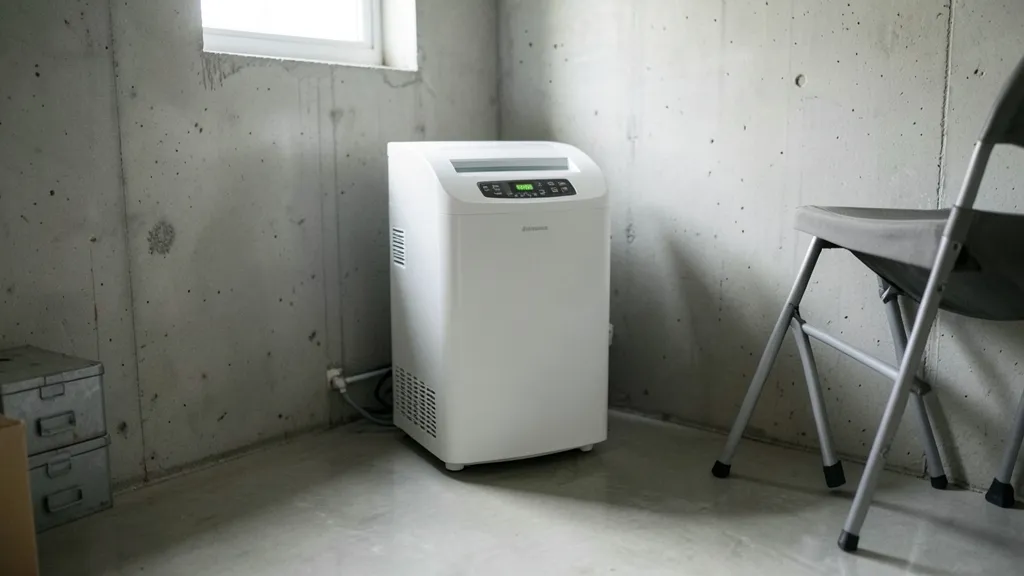
Use dehumidifiers in high-moisture areas like basements and crawl spaces. In Florida’s climate, maintaining 30-50% humidity indoors can significantly lower mold risk.
Regularly inspect and maintain your HVAC system. Leaky ducts or improper drainage can introduce moisture into your home’s structure.
Moisture Prevention Checklist
- Install and maintain vapor barriers in crawl spaces
- Seal gaps around windows, doors, and pipes
- Clean and inspect gutters and downspouts annually
- Use moisture-resistant materials in high-risk areas (e.g., bathrooms, kitchens)
- Monitor indoor humidity levels with a hygrometer
What to Do If You Find Hidden Moisture
First, identify and stop the source of moisture. This could mean fixing a leaky pipe, improving ventilation, or repairing a damaged roof.
Dry the affected area thoroughly using fans, dehumidifiers, or professional-grade drying equipment. Moisture levels must return to normal before any repairs begin.
If mold is present, avoid disturbing it. Mold remediation requires containment, HEPA filtration, and proper disposal of contaminated materials to prevent cross-contamination.
How to Use a Moisture Meter for Hidden Moisture Detection
A moisture meter is a simple yet powerful tool for identifying problem areas in your home.
- 1Calibrate the Meter
Follow the manufacturer’s instructions to calibrate the meter for the material you’re testing (e.g., wood, drywall).
- 2Test Dry Areas First
Take a baseline reading from a dry, unaffected area to understand normal moisture levels for your home’s materials.
- 3Scan Suspicious Areas
Press the meter’s pins or sensor against the surface. Readings significantly higher than your baseline indicate moisture.
- 4Check Multiple Spots
Test several locations in the same area to confirm the moisture isn’t isolated. High readings in a pattern often point to a larger issue.
- 5Investigate Further
If you find high moisture, use a thermal imaging camera or consult a professional to locate the source.
Frequently Asked Questions
How often should I check for hidden moisture in my Clermont home?
We recommend inspecting high-risk areas like attics, crawl spaces, and basements at least twice a year—especially before and after Florida’s rainy season. After any major storm or plumbing issue, perform an immediate check.
Can hidden moisture cause structural damage?
Absolutely. Prolonged moisture weakens wood, drywall, and even concrete over time. In severe cases, it can lead to sagging floors, cracked foundations, or collapsed ceilings—making early detection critical.
What’s the difference between mold testing and mold inspection?
A mold inspection visually assesses your home for signs of mold and moisture. Mold testing involves collecting air or surface samples to identify mold types and spore counts, which helps determine the scope of remediation needed.
Are some areas of my home more prone to hidden moisture than others?
Yes. In Central Florida, attics and crawl spaces are particularly vulnerable due to poor ventilation and humidity. Bathrooms, kitchens, and laundry rooms are also high-risk because of plumbing and appliance leaks.
Is hidden moisture covered by homeowners insurance?
It depends on the cause. Sudden and accidental water damage (e.g., a burst pipe) is often covered, but gradual damage from poor maintenance or high humidity typically isn’t. Review your policy and document any issues thoroughly.
How can I tell if hidden moisture has already caused mold?
Visible mold is a clear sign, but hidden mold may only reveal itself through musty odors or health symptoms like allergies or respiratory issues. Professional mold testing is the most reliable way to confirm its presence.