DIY vs. Professional Mold Removal in Clermont: Which Is Right for You?
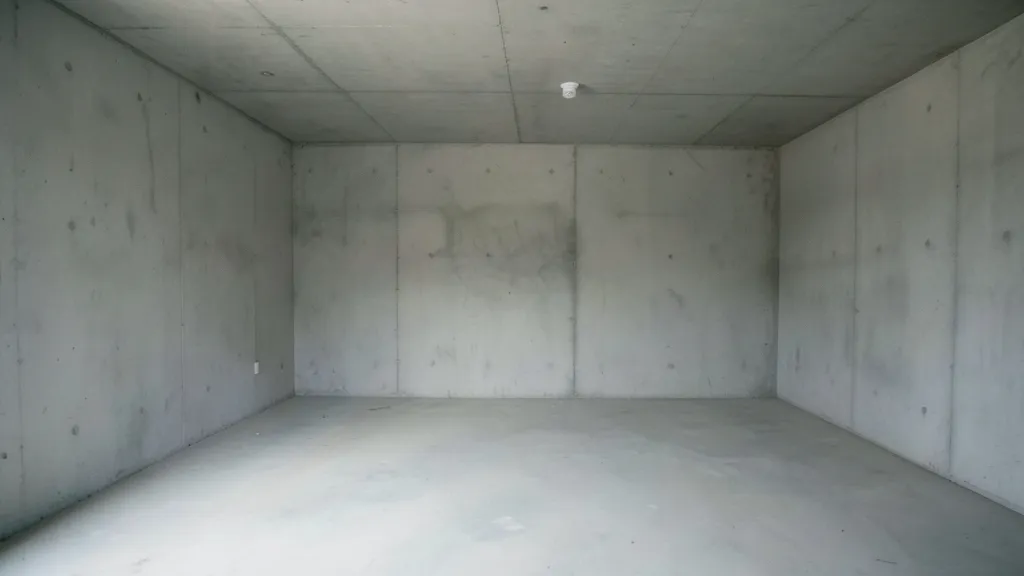
Mold in your home isn’t just unsightly—it can compromise indoor air quality and structural integrity. In Clermont’s humid climate, DIY fixes often fall short, while professional remediation tackles the root cause and prevents recurrence. We break down when to roll up your sleeves and when to call our team.
The Real Risks of Mold in Central Florida Homes
Florida’s warmth and humidity create ideal conditions for mold growth—especially in attics, basements, and crawl spaces. Without proper remediation, spores spread through HVAC systems, affecting air quality in Minneola, Winter Garden, and beyond.
Hidden mold behind drywall or under flooring can go unnoticed until it causes structural damage or health concerns. Early detection via mold inspection and testing is critical to avoid costly repairs later.
DIY Mold Removal: What You Can (and Can’t) Handle Safely
Small, surface-level mold on non-porous materials like tile or glass can often be cleaned with EPA-approved solutions. Always wear gloves, an N95 mask, and ensure proper ventilation to avoid inhaling spores.
Porous materials like drywall or carpet usually require removal, not just cleaning. DIY attempts here often miss hidden colonies or fail to address moisture sources, leading to rapid regrowth.
Never attempt DIY removal for large areas (10+ sq. ft.), black mold, or mold in HVAC systems. Disturbing these without containment can release toxic mycotoxins into the air.
Professional Mold Remediation: What Our Team Does Differently
We start with a thorough mold inspection and air quality testing to identify the extent and type of infestation. This data guides our remediation plan, ensuring we target the root cause—not just the visible mold.
Containment is key. Our team uses plastic sheeting and negative air pressure to isolate affected areas, preventing spores from spreading to clean parts of your home during removal.
After physical removal, we apply antimicrobial treatments to kill remaining spores and prevent regrowth. HEPA vacuums and air scrubbers then purge residual contaminants from the air.
DIY vs. Professional: A Side-by-Side Comparison
The right choice depends on the scope, location, and type of mold. Below, we compare critical factors to help you decide.
| Factor | DIY | Professional |
|---|---|---|
| Scope | Small, surface-level (under 10 sq. ft.) | Any size, including hidden or widespread infestations |
| Safety | Limited protection; risk of exposure | Full PPE, containment, and air filtration |
| Moisture Source | Often overlooked | Identified and addressed to prevent recurrence |
| Long-Term Effectiveness | High regrowth risk without proper drying | |
| Equipment | Household cleaners, basic tools | HEPA vacuums, air scrubbers, moisture meters, antimicrobials |
| Time & Effort | Quick for small jobs; labor-intensive for larger areas | Efficient, with minimal disruption to your routine |
| Cost Factors | Low upfront (supplies only) | Varies by scope; includes labor, testing, and prevention |
When to Call a Pro: Red Flags in Clermont Homes
Musty odors with no visible source often signal hidden mold in walls, crawl spaces, or ductwork. Our moisture meters and thermal imaging cameras pinpoint these issues without unnecessary demolition.
Water damage from leaks, flooding, or poor ventilation (common in Groveland and Mascotte) creates prime mold conditions. If you’ve had water issues, assume mold may follow—even if it’s not yet visible.
Health symptoms like allergies, respiratory issues, or skin irritation that improve when you’re away from home are strong indicators of a mold problem requiring professional attention.
Mold can begin growing within 24–48 hours of water exposure. Immediate water damage restoration and drying are critical to prevent infestations.
The Hidden Costs of DIY Mold Removal
Skipping professional testing can mean missing toxic strains like Stachybotrys (black mold), which require specialized handling. Misidentification can lead to inadequate remediation and ongoing health risks.
Improper removal often spreads spores to previously clean areas, turning a small problem into a whole-home issue. This can increase costs exponentially when professionals must remediate a larger space later.
Without addressing moisture sources—like poor attic ventilation or crawl space humidity—mold will return. Our team includes moisture control solutions to break the cycle.
What to Expect During Professional Mold Remediation
Our process begins with a detailed assessment, including moisture mapping and air quality testing. This ensures we tailor the remediation to your home’s specific needs, whether it’s attic mold, crawl space issues, or commercial spaces.
Containment barriers isolate the work area, and HEPA filtration devices capture airborne spores. We remove contaminated materials safely and apply antimicrobial treatments to sanitize the space.
Post-remediation, we verify success with clearance testing. We also provide recommendations for moisture control, such as dehumidifiers, improved ventilation, or crawl space encapsulation, to keep mold from returning.
Preventing Mold in Clermont’s Climate
Florida’s humidity demands proactive moisture management. Use dehumidifiers in basements and crawl spaces, and ensure attics are properly ventilated to reduce condensation buildup.
Regularly inspect areas prone to leaks—like under sinks, around windows, and near HVAC units. Addressing small issues quickly prevents larger mold problems down the line.
For homes in flood-prone areas like Mascotte or near Lake Minneola, consider professional waterproofing and sump pump systems. These investments pay off by preventing water intrusion and mold growth.
Mold Prevention Checklist
- Maintain indoor humidity below 60% with dehumidifiers
- Inspect and repair roof leaks, plumbing, and HVAC drips promptly
- Use exhaust fans in kitchens, bathrooms, and laundry rooms
- Ensure proper grading around your home’s foundation to divert water
- Schedule annual mold inspections for peace of mind
How to Assess Whether You Need Professional Mold Remediation
Use this step-by-step guide to evaluate your situation before deciding between DIY and professional help.
- 1Identify the Extent
Measure the affected area. If it’s larger than 10 square feet (roughly a 3x3 ft. patch), professional remediation is strongly recommended by the EPA.
- 2Check the Material
If mold is on porous surfaces like drywall, ceiling tiles, or carpet, removal—not just cleaning—is necessary. DIY efforts here often fail.
- 3Locate the Moisture Source
Mold won’t grow without moisture. If you can’t find and fix the source (e.g., a leak, high humidity, or condensation), the problem will persist. Pros use tools like moisture meters to track it down.
- 4Consider Health and Safety
If anyone in your household has allergies, asthma, or a compromised immune system, or if you suspect toxic black mold, avoid DIY. Containment and PPE are critical.
- 5Evaluate Hidden Areas
Mold behind walls, under flooring, or in HVAC systems requires professional equipment and expertise to remediate safely and thoroughly.
- 6Request a Professional Assessment
When in doubt, schedule a mold inspection. Our team provides detailed reports and a clear remediation plan, so you can make an informed decision.
Frequently Asked Questions
Is black mold more dangerous than other types in Clermont homes?
Black mold (Stachybotrys) can produce mycotoxins that pose health risks, especially with prolonged exposure. However, all mold should be addressed promptly. The color alone doesn’t determine toxicity—professional testing identifies the species and risk level.
Can I just paint over mold to cover it up?
No. Painting over mold without proper remediation traps spores beneath the surface, allowing them to continue growing and spreading. Always remove the mold and address the moisture source first.
How long does professional mold remediation take in Clermont?
Timelines vary by scope. Small, contained projects may take 1–2 days, while large or complex jobs (e.g., whole-home or commercial remediation) can take a week or more. We provide a clear estimate after inspection.
Will my homeowners insurance cover mold remediation?
Coverage depends on your policy and the cause of the mold. Many policies exclude mold unless it’s a direct result of a covered peril (e.g., a burst pipe). Review your policy and document the damage thoroughly. We can provide detailed reports for your claim.
What’s the difference between mold removal and mold remediation?
Mold removal refers to physically eliminating mold colonies, while remediation includes removal, cleaning, containment, and preventing future growth. True remediation addresses the root cause—like moisture—to ensure mold doesn’t return.
Do you serve areas near Clermont, like Winter Garden or Groveland?
Yes, our team provides mold inspection, testing, and remediation services across Clermont and surrounding areas, including Minneola, Winter Garden, Groveland, and Mascotte. Local climate conditions mean we’re well-versed in the unique challenges of Central Florida homes.