DIY Mold Removal vs. Professional Services in Clermont: What’s the Real Cost?
Mold in your home isn’t just unsightly—it’s a health hazard that spreads fast if not handled correctly. While DIY fixes might seem cheaper upfront, the risks of incomplete removal or cross-contamination often make professional remediation the smarter choice in Central Florida’s humid climate.
Why Mold Thrives in Central Florida Homes
Our region’s high humidity and frequent rain create ideal conditions for mold growth, especially in basements, attics, and crawl spaces. Even minor water leaks or poor ventilation can trigger an infestation within 24–48 hours.
Neighborhoods near lakes, like those in Minneola or Groveland, often face elevated moisture levels. Without proper dehumidification, mold can return even after cleaning.
DIY Mold Removal: When It Works (and When It Doesn’t)
Small, surface-level mold on non-porous materials (like tile or glass) can sometimes be tackled with DIY methods. Use EPA-approved cleaners and proper PPE to avoid exposure to spores.
However, porous materials like drywall, carpet, or insulation usually require removal, not just cleaning. DIY attempts here often miss hidden mold behind walls or in HVAC systems, leading to recurrence.
Disturbing mold without containment can release spores into the air, worsening indoor air quality and spreading contamination to other areas of your home.
The Professional Advantage: Tools and Expertise
Our team uses commercial-grade equipment like HEPA air scrubbers, moisture meters, and thermal imaging cameras to detect and remove mold at its source. We follow IICRC S520 standards for containment, removal, and prevention.
For attic or crawl space mold in older Clermont homes, professionals also address the root cause—like poor ventilation or water intrusion—to prevent future growth.
Cost Comparison: DIY vs. Professional Remediation
DIY costs may seem low, but they often don’t account for replacement of damaged materials, specialized cleaners, or safety gear. Improper cleaning can also lead to costly rework if mold returns.
Professional services include thorough inspection, containment, removal, and prevention. While upfront costs are higher, they save money long-term by ensuring mold doesn’t spread or recur.
| Factor | DIY | Professional |
|---|---|---|
| Effectiveness | Limited to surface mold on non-porous materials | Comprehensive removal, including hidden mold |
| Safety | Risk of spore exposure without proper PPE | Full containment and HEPA filtration for safety |
| Long-Term Results | High recurrence risk if root cause isn’t addressed | Includes moisture control and prevention strategies |
| Equipment | Basic cleaners, scrub brushes | HEPA vacuums, air scrubbers, moisture meters |
| Time | Hours to days, depending on area size | 1–5 days, depending on infestation severity |
| None | Often includes post-remediation verification |
Health Risks: Why Mold Isn’t Just a Cosmetic Issue
Mold exposure can trigger allergies, respiratory issues, and even neurological symptoms in sensitive individuals. Mycotoxins from certain molds, like Stachybotrys (black mold), pose serious health risks.
Children, the elderly, and those with compromised immune systems are especially vulnerable. Professional remediation ensures spores are safely removed, not just masked.
If mold covers a large area (10+ sq ft) or you suspect HVAC contamination, leave the area and call professionals immediately. DIY is not safe in these cases.
Common Mold Hotspots in Clermont Homes
Attics often harbor mold due to poor ventilation and roof leaks. Crawl spaces in older homes can trap moisture, while basements (common in Winter Garden or Mascotte) are prone to water intrusion.
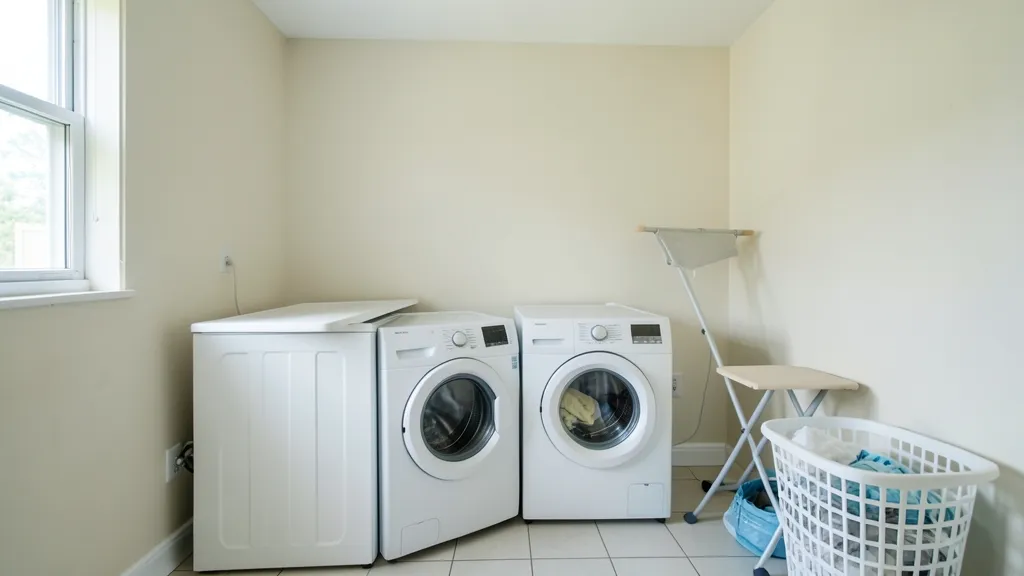
Bathrooms, kitchens, and laundry rooms are also high-risk areas. Even minor leaks under sinks or behind appliances can lead to hidden mold growth over time.
Prevention: The Best Defense Against Mold
Controlling humidity is key. Use dehumidifiers in damp areas and ensure proper ventilation in bathrooms and kitchens. Fix leaks promptly and inspect roofs, gutters, and downspouts regularly.
For homes in flood-prone areas near Lake Minneola or other water bodies, consider professional moisture control solutions like vapor barriers or sump pumps.
Mold Prevention Checklist
- Maintain indoor humidity below 60% with dehumidifiers
- Inspect and repair roof leaks, plumbing, and HVAC systems annually
- Use exhaust fans in bathrooms and kitchens
- Seal gaps in windows, doors, and foundations
- Clean and dry water-damaged areas within 24–48 hours
- Schedule annual mold inspections for high-risk areas
When to Call a Professional Mold Remediation Team
If mold covers more than 10 square feet, is in your HVAC system, or keeps returning after cleaning, it’s time to call experts. The same goes for mold in hard-to-reach areas like inside walls or under flooring.
Commercial properties, schools, or rental units in Clermont also require professional remediation to comply with health and safety regulations.
How to Safely Remove Small Mold Patches (If DIY Is Appropriate)
For small, non-porous surface mold, follow these steps to minimize risks.
- 1Assess the Area
Confirm the mold is limited to a small (under 10 sq ft), non-porous surface like tile or metal. If it’s on drywall or fabric, stop and call a professional.
- 2Gather Supplies
Wear an N95 respirator, gloves, and goggles. Use EPA-approved mold cleaners (like Concrobium) or a bleach solution (1 cup bleach to 1 gallon water) for non-porous surfaces.
- 3Contain the Area
Close doors and windows, and use plastic sheeting to seal off the workspace. Run a fan pointed outward to vent spores outside.
- 4Clean and Dry
Scrub the moldy area with your cleaner, then dry thoroughly with a towel. Use a HEPA vacuum to remove dead spores.
- 5Dispose of Waste
Seal cleaning materials and moldy debris in heavy-duty plastic bags. Dispose of them according to local regulations.
- 6Monitor for Recurrence
Check the area regularly for signs of returning mold. If it comes back, the issue may be hidden or require professional attention.
Frequently Asked Questions
Is black mold more dangerous than other types of mold in Clermont homes?
Black mold (Stachybotrys) can produce mycotoxins that pose serious health risks, but all mold should be treated as a potential hazard. The color alone doesn’t determine toxicity—professional testing can identify the species and risk level.
Can I just paint over mold to hide it?
No. Painting over mold without removing it first traps moisture and allows the mold to continue growing underneath. This can worsen structural damage and health risks. Always clean and dry the area thoroughly before repainting.
How do I know if mold is hidden behind my walls?
Signs of hidden mold include musty odors, water stains, peeling paint, or warped walls. If you notice these, or if you’ve had past water damage, a professional mold inspection with thermal imaging can detect moisture and mold behind surfaces.
Does homeowners insurance cover mold remediation in Florida?
Coverage varies by policy. Most standard policies cover mold damage if it’s a result of a covered peril (like a burst pipe), but they often exclude mold caused by long-term humidity or neglect. Check your policy and request a quote from a remediation expert to understand costs.
What’s the difference between mold testing and mold inspection?
A mold inspection is a visual and technical assessment to locate mold and moisture sources. Mold testing involves collecting air or surface samples to identify mold types and spore counts. Both are often needed for a complete diagnosis, especially in commercial or high-risk residential properties.
Do you serve areas outside Clermont, like Winter Garden or Groveland?
Yes, our team provides mold inspection, testing, and remediation services across Central Florida, including Minneola, Winter Garden, Groveland, and Mascotte. Each area has unique challenges, from lake proximity to older home construction, and we tailor our approach accordingly.